
Dimmu Borgir Return in Monumental Form with “Grand Serpent Rising”
Eight years after Eonian, Dimmu Borgir return with Grand Serpent Rising, an album that feels less like a comeback and more like the reawakening of a massive force that never truly disappeared. Rather than chasing modern trends or drowning the music in overproduced excess, the Norwegian legends deliver a darker, sharper, and more focused record that reconnects with the primal aggression of their earlier years while preserving the cinematic scale that defines their identity.
One of the album’s greatest strengths is restraint. The orchestral and symphonic elements remain important, but they are used with far more precision this time around. Instead of constantly overwhelming the mix, they appear where they genuinely elevate the atmosphere, allowing the guitars, drums, and vocals to carry much more weight. The result is an album that feels colder, more organic, and far more dangerous than many modern extreme metal releases.
Produced alongside longtime collaborator Fredrik Nordström, Grand Serpent Rising intentionally avoids the sterile, hyper-quantized sound dominating much of contemporary metal. The drums feel alive, the riffs retain their natural aggression, and the production balances clarity with genuine menace. Every instrument breathes while still contributing to the suffocating darkness surrounding the record.
Lyrically, the album dives deeply into themes of transformation, transcendence, spiritual awakening, and shedding the limitations of the old self. Serpent symbolism, alchemical imagery, and esoteric philosophy flow throughout the album without becoming inaccessible or pretentious. Instead, the themes strengthen the emotional atmosphere and give the record a powerful sense of cohesion from beginning to end.
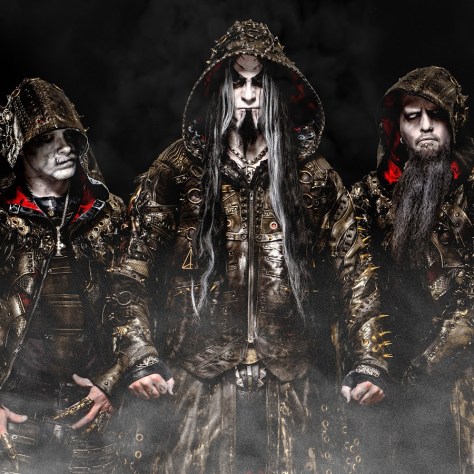
There is also a noticeable return to a more direct songwriting approach. With longtime guitarist Galder no longer involved in the creative process, the material feels tighter and more focused. Silenoz and Shagrath guide the album with confidence, prioritizing atmosphere, aggression, and memorable songwriting over unnecessary excess. The result is a record that sounds massive without losing its edge.
Tracks like “Ascent,” “The Qryptfarer,” and “Phantom of the Nemesis” hit with crushing force and blackened intensity, while “Ulvgjeld & Blodsodel” stands as one of the album’s defining moments, channeling ancient Nordic mysticism through commanding Norwegian lyricism and ritualistic power. Meanwhile, songs like “Repository of Divine Transmutation,” “Recognizant,” and “Shadows of a Thousand Perceptions” expand the album’s psychological and spiritual dimensions through layered atmosphere and dynamic pacing.
The pacing itself is another major strength. Rather than relying on nonstop maximalism, Dimmu Borgir allow tension and atmosphere to build naturally before unleashing massive climactic moments. That balance keeps the album engaging across its entire runtime while preventing the orchestral elements from becoming repetitive or bloated.
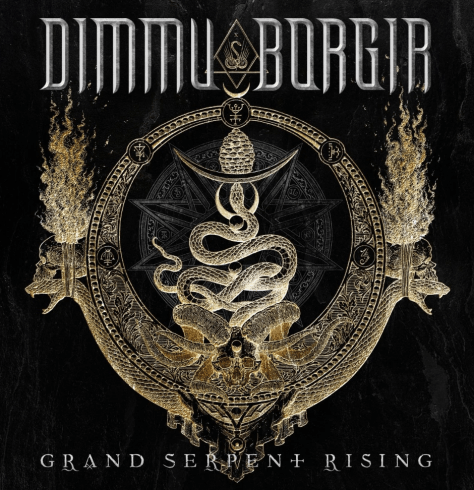
Visually, the black-and-gold cover artwork reinforces the album’s themes perfectly. The ascending serpent, occult geometry, and ritualistic design create an atmosphere that mirrors the music itself: ancient, ceremonial, transformative, and dangerous.
Most importantly, Grand Serpent Rising never feels like a band trying to reclaim relevance. This is not nostalgia bait, nor is it an attempt to modernize for newer audiences. It sounds like a band fully aware of its legacy and completely confident in its identity. After more than three decades, Dimmu Borgir still understand that true extremity comes not only from speed or heaviness, but from atmosphere, conviction, tension, and vision.
Grand Serpent Rising is not simply a return for Dimmu Borgir.
It is a reaffirmation of everything that made them legendary in the first place.
Deep Dive into the Universe of Dimmu Borgir
Official Website – Facebook – Instagram – YouTube – Nuclear Blast
 Your source for Dark/Alt/Dance culture on EvolRadio.com- with DJ Darkside